Where to live in South Africa: Cape Town, Johannesburg, Pretoria or Durban?
A decision-focused comparison of four popular bases across work, housing, schools, climate, transport, healthcare and security.

South Africa's main relocation cities are not substitutes for one another. Cape Town, Johannesburg, Pretoria and Durban differ in employment, climate, transport, schools, housing and the shape of daily life. Start with non-negotiable work and family needs, then evaluate neighbourhoods.
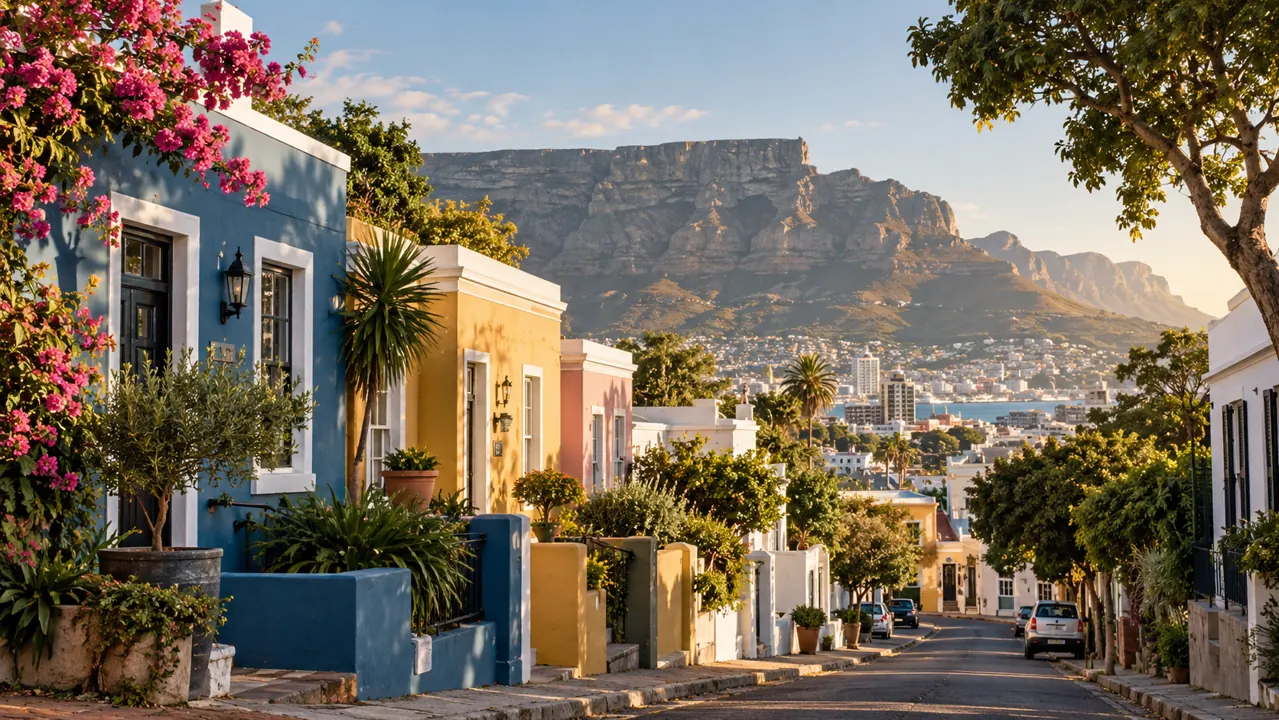
Cape Town has powerful lifestyle appeal, international connectivity and sectors including technology, finance, tourism and creative work. Housing in popular areas is competitive, geography shapes commuting and winter weather differs markedly from the summer image. The city suits people who value coast and outdoor access and can align work, school and housing corridors.
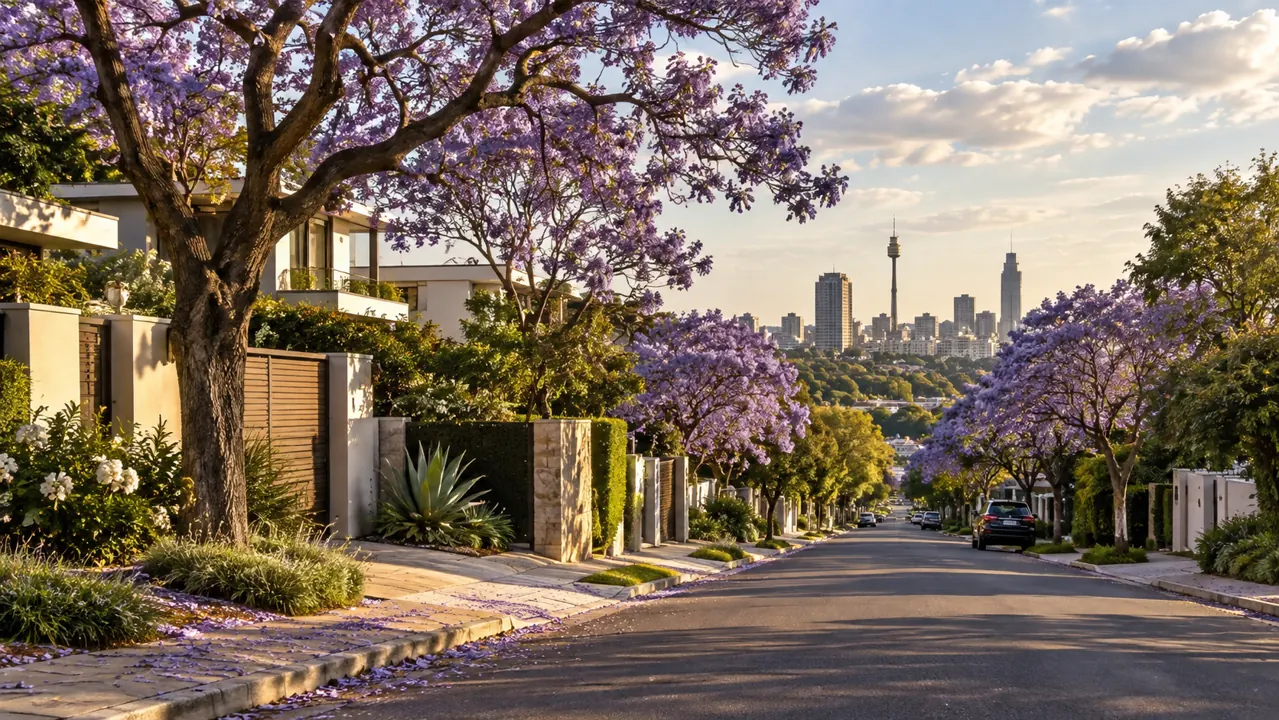
Johannesburg is the country's largest commercial centre and often the strongest choice for corporate careers, professional services and regional business. It is highly decentralised and car dependent. Sandton, Rosebank, Bryanston, Fourways and other northern areas offer different trade-offs in commute, property, schools and security.
Pretoria has government, diplomatic, university and professional communities and can offer more suburban space. Brooklyn, Waterkloof, Menlo Park, Lynnwood and eastern areas are commonly assessed, while access to Johannesburg depends on the exact work corridor and transport plan.
Durban and Umhlanga provide a warm Indian Ocean climate and access to KwaZulu-Natal. Umhlanga has newer commercial and residential development, while Durban contains established neighbourhoods and services. Humidity, storm and flood exposure, school journeys and road access deserve careful property-level checks.
Use one scorecard for every option: visa-compatible work, tax position, school availability, healthcare network, housing, daily transport, security, airport access, climate and infrastructure resilience. Compare the annual household cost rather than rent alone.
Visit the final two locations during ordinary working weeks, inspect in more than one season if possible and rent before buying. A city can be attractive while the wrong neighbourhood makes the move unworkable.
Sources
- Living in South Africa — UK Foreign, Commonwealth & Development Office
- South Africa safety and security guidance — UK Foreign, Commonwealth & Development Office
This guide provides general information for planning purposes. It does not constitute legal, tax, financial, immigration or medical advice. Always confirm decisions with a qualified specialist authorised to advise for your circumstances.