
Portugal D7 visa: preparing an individual application
Questions and records to prepare when considering Portugal's D7 route, including income evidence, household documents and the steps after approval.
General information only. Expat Pathways does not provide tax, legal, investment, pension, immigration or medical advice. Sources were checked editorially on 11 September 2026; this article has not been reviewed by a qualified professional. Obtain advice for your countries, residence position and circumstances before acting.
The D7 is commonly considered by people seeking residence supported by their own income, including retirement income. Whether it is the right route depends on your nationality, circumstances, income and plans. This is a preparation guide, not an eligibility assessment or a substitute for the current consular checklist.
Confirm that this is the appropriate route
Explain how you intend to support yourself and what activity you will undertake in Portugal. If your circumstances centre on employment, a business or remote work, ask whether another route is relevant. Do not select a visa merely because another person obtained it or because a website describes it as easy.
Identify the consulate or authorised application channel responsible for where you legally live. Obtain its current requirements and clarify any household-specific questions. Rules, evidence requirements and practical processing arrangements should be checked before purchasing services advertised as a complete package.
Make the income evidence understandable
Create a schedule showing each income source, owner, currency, frequency and supporting document. Distinguish recurring receipts from a bank balance or a one-off asset sale. Ask how the current requirements apply to dependants and to your particular income sources. This article avoids quoting a universal amount or treating every bank balance as sufficient evidence.
Explain material variations in receipts and retain the original provider statements. If relying on rental or company-related income, ask which additional documents are required to establish its nature and continuity. Do not alter statements or omit liabilities to make the position appear stronger.
Sequence accommodation and documents carefully
Check what accommodation evidence is needed and understand the obligations you take on when providing it. If a lease is required for your case, obtain advice on the term, deposit and consequences of delay or refusal. A speculative property purchase should not be treated as a routine administrative requirement.
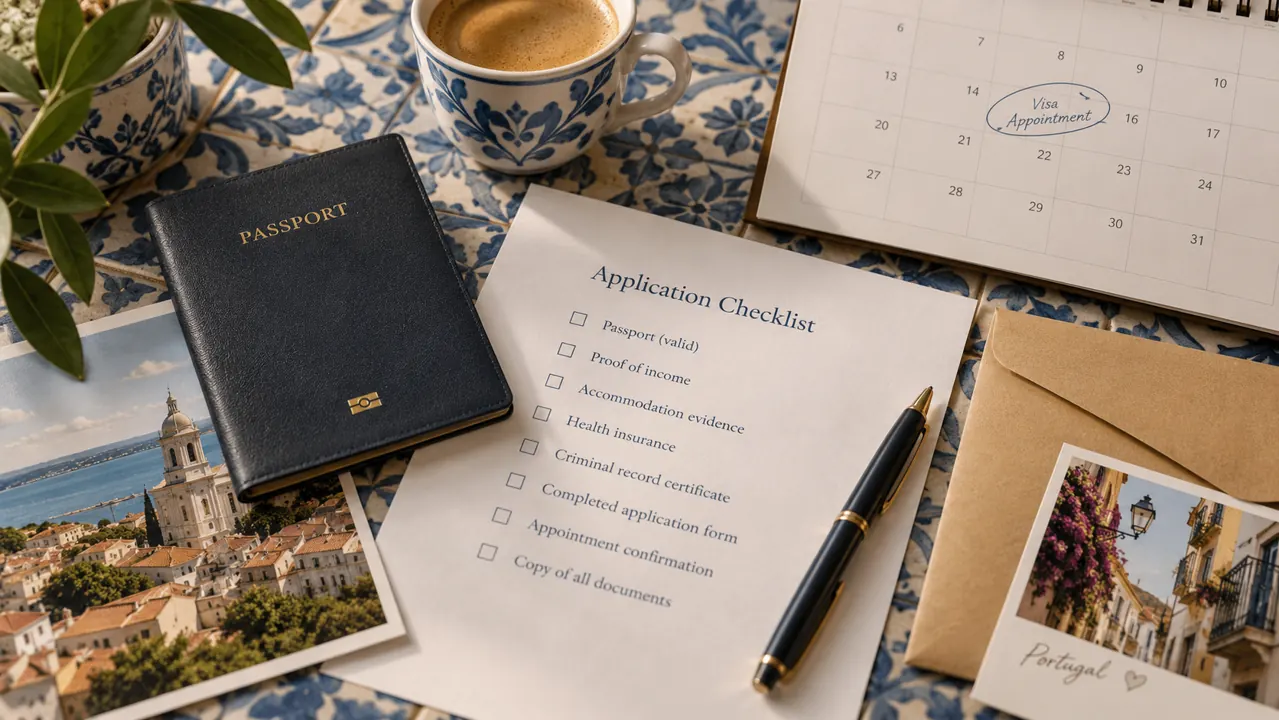
Maintain a checklist for identity, family documents, certificates, translations, legalisation and any required insurance or financial registrations. Record expiry dates and the sequence in which items will be ready. Keep the official checklist alongside the submitted version so you can respond accurately to follow-up requests.
Understand the stages after the application
Ask the authority to explain entry conditions, subsequent residence-permit steps and the rules that apply while matters are pending. Retain the decision, receipts and appointment records. Confirm each family member's position separately and seek individual advice before travelling if document validity is uncertain.
Do not assume that visa approval settles tax residence, permission for every proposed activity or future renewal. Ask what continuing conditions and absence rules apply to the permission actually granted. Add renewal preparation to your calendar well before the deadline given by the authority.
Budget for uncertainty without relying on promises
Separate official charges from legal assistance, translations, travel and accommodation costs. Ask providers for written scopes and refund terms. Build contingency into the move and avoid promises that a paid intermediary can guarantee a decision or a faster official appointment.
Once settled, turn attention to healthcare, local administration and coordinated financial advice. Citizenship and permanent residence have their own legal requirements; neither is guaranteed by obtaining a D7 visa. Use an immigration-adviser introduction request for questions about your route, and share sensitive supporting records only through the appointed professional's secure process.
Common questions
- Does this article confirm that I qualify?
- No. Obtain the current official checklist and an assessment of your own income, nationality, household and proposed activity.
- Does a D7 guarantee citizenship?
- No. Citizenship is a separate process with its own applicable conditions.
Sources
- Living in Portugal — information for British nationals — UK Government
This guide provides general information for planning purposes. It does not constitute legal, tax, financial, immigration or medical advice. Always confirm decisions with a qualified specialist authorised to advise for your circumstances.