
South Africa visa options for UK citizens
How the main temporary residence routes differ and why visitor permission should not be treated as a route to living or working in South Africa.
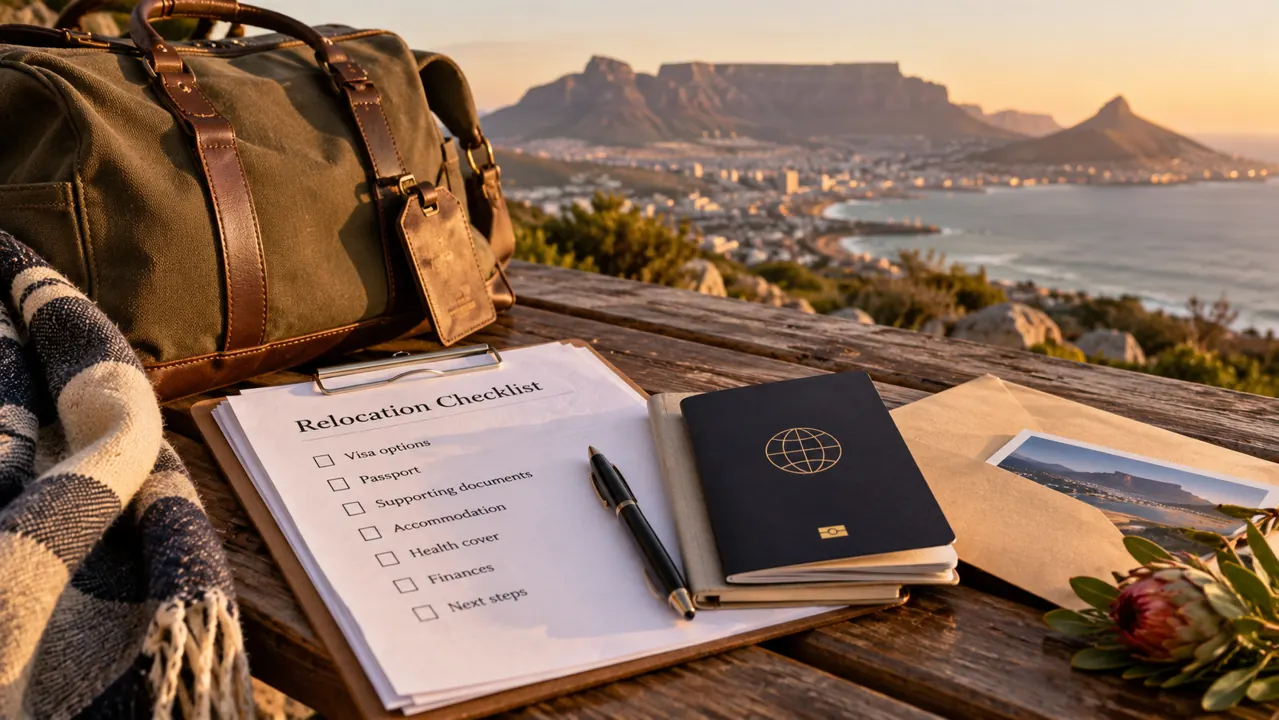
British passport holders may usually make a short visit without obtaining a visa in advance, subject to current entry conditions, but that is not long-term residence permission. The activity and duration authorised at entry matter. A person planning to work, study, retire, run a business or live with family should identify the correct route before travelling.
Work routes include general work, critical skills and intra-company transfer visas. Their evidence and duration differ. Critical skills applications depend on the current official skills framework and can require qualifications, evaluation, professional-body evidence and an employment offer. An intra-company transfer is tied to a qualifying transfer and is not interchangeable with open-ended local employment.
A retired person's visa may suit an applicant who meets the prescribed financial requirements and other conditions. The official thresholds and documentary rules can change, so use the current Home Affairs information and the responsible mission's checklist. Retirement status should also be considered alongside tax residence, healthcare and the treatment of UK pensions.
Relative, spouse and family-based routes depend on the status and relationship of the person in South Africa. Business, study, exchange and medical-treatment visas have separate purposes. Each accompanying family member needs appropriate status; a main applicant's permission does not automatically settle every dependant's work or study rights.
Do not assume that online or remote work is permitted merely because the employer or clients are outside South Africa. Immigration, tax, employment and corporate questions can arise from work performed physically in the country. Obtain current advice for the intended activity rather than relying on the label digital nomad or on visitor status.
Document preparation can be substantial. Police clearances, medical evidence, qualifications, financial records and family documents may have validity, certification or legalisation requirements. Check where the application must be made, whether changes of status are permitted in-country and how long documents remain current.
Use a decision sequence: define the intended activity; identify the matching official route; confirm application location and timing; collect the current checklist; assess tax and healthcare; and avoid irreversible commitments until the immigration risk is understood. Only Home Affairs and the responsible mission can confirm the operative requirements.
Common questions
- Can I work while visiting South Africa?
- Do not assume so. Visitor permission is limited to its stated purpose. Work normally requires the correct authorisation for the activity.
- Does buying property give me a South African visa?
- Property ownership and immigration status are separate. A purchase does not by itself create a general right to reside or work.
Sources
- Types of South African visas — South African Department of Home Affairs
- Living in South Africa — UK Foreign, Commonwealth & Development Office
This guide provides general information for planning purposes. It does not constitute legal, tax, financial, immigration or medical advice. Always confirm decisions with a qualified specialist authorised to advise for your circumstances.