
Living safely in South Africa: a practical planning guide
How to assess neighbourhoods, housing, transport and routines using current local evidence rather than fear or false reassurance.
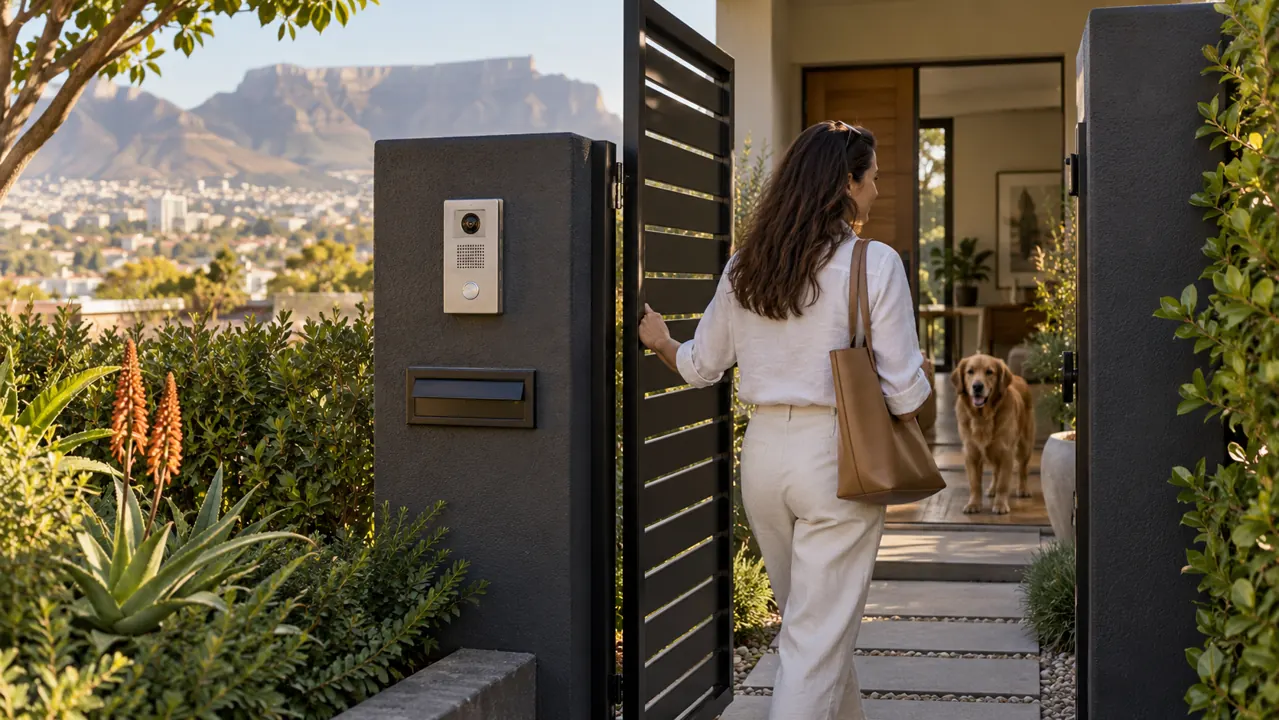
Security is a material part of living in South Africa and should be discussed clearly, without treating every city or neighbourhood as the same. Crime patterns vary by area, time and activity. Current official travel advice, local police and community information, reputable security providers and residents are more useful than a national average or a single online anecdote.
Choose a neighbourhood through repeated visits at different times. Test the route between home, work, school, shops and healthcare in daylight and after dark. Ask about recent local incidents, community response groups, access control, street lighting, parking and the reliability of mobile coverage. A secure estate is not automatically the right answer if it creates unsafe or exhausting journeys.
Inspect the property rather than relying on the listing. Check perimeter, entrances, alarms, backup power for gates, exterior lighting, fire safety and who can access the building or complex. Understand the armed-response or monitoring contract, what it actually provides and who is responsible for maintaining equipment.
Daily habits matter. Use trusted transport, avoid displaying valuables, plan cash and phone use, keep doors locked when driving and follow current advice on airports, roads and hiking areas. Do not improvise after an incident: households should know emergency numbers, insurer requirements and how to contact building or neighbourhood security.
Digital and financial crime also deserves attention. Verify payment requests independently, protect banking and SIM accounts and be cautious with property deposits or service providers. A familiar company logo or WhatsApp profile does not prove identity.
Infrastructure resilience forms part of security and comfort. Check backup electricity, water storage, internet redundancy, gate operation and fire systems. The right level depends on the city, municipality, property and household medical or work needs.
Review the plan after arrival and whenever routines change. The objective is not zero risk; it is informed choices, layered protection and habits that make ordinary life manageable. Use official advice as a baseline and supplement it with current neighbourhood-specific evidence.
Common questions
- Is South Africa safe for expat families?
- Many international families live there, but security is a genuine planning factor. Risk differs greatly by neighbourhood and routine, so use current official and local evidence before choosing housing and journeys.
- Is a gated estate always safer?
- It can add layers of access control, but management, systems, location and travel routes all matter. Assess the complete daily routine, not the gate alone.
Sources
- South Africa safety and security guidance — UK Foreign, Commonwealth & Development Office
- Living in South Africa — UK Foreign, Commonwealth & Development Office
This guide provides general information for planning purposes. It does not constitute legal, tax, financial, immigration or medical advice. Always confirm decisions with a qualified specialist authorised to advise for your circumstances.